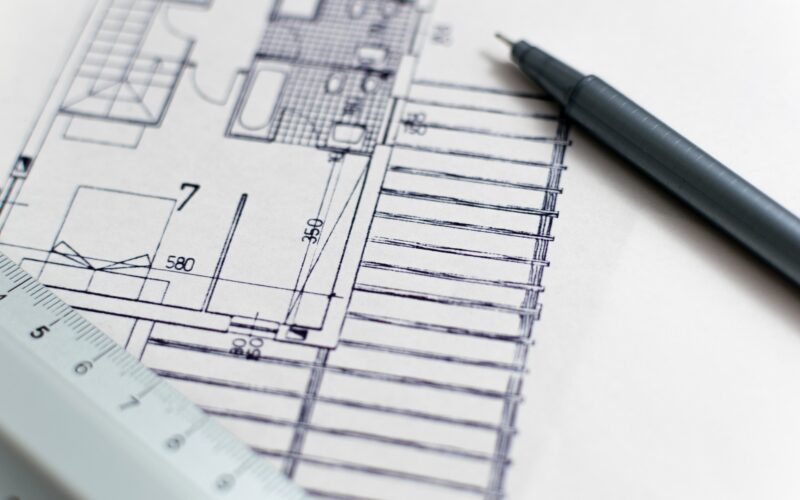
Purchasing a property before it has been completely constructed is a unique approach to real estate investment that continues to attract buyers across the United Kingdom. When you commit to buying an off-plan property, you are essentially purchasing a contract to acquire a residence that currently only exists on architectural blueprints. This strategy requires imagination and trust in the developer's ability to deliver the promised final product. Because the property is not yet habitable, the buying process differs considerably from purchasing an established home, involving different payment structures and extended waiting periods.
Exploring the financial and practical advantages
One of the most compelling reasons why buyers are drawn to off-plan properties is the potential for significant capital appreciation before the building is even finished. Securing a property at today's market prices means that by the time construction is complete, the value of the residence may have already increased. Furthermore, developers often offer attractive early-bird discounts or favourable payment plans to secure initial funding for their projects. Another distinct advantage is the ability to personalise the property to your exact tastes during the construction phase, allowing you to select preferred layouts and colour schemes without expensive renovations.
Additionally, acquiring a brand-new property brings the peace of mind associated with modern construction standards and comprehensive structural warranties. Most new build homes in the UK come with a ten-year warranty protecting you against major structural defects and giving you financial security. Furthermore, contemporary properties are built to stringent energy efficiency regulations, which translates to better insulation and significantly lower monthly utility bills compared to older, draughty housing stock. You will also avoid the notoriously stressful property chain, where your purchase is dependent on multiple other buyers and sellers completing their transactions simultaneously, thereby making the acquisition process much smoother.
Examining the potential risks and notable drawbacks
Despite the clear benefits, buying a home that does not yet exist carries inherent risks that must be carefully evaluated before signing any legal documents. The most significant concern is the possibility of severe construction delays, which can leave you in a vulnerable position if you have already sold your previous home. Mortgage offers are typically only valid for six months, meaning you may need to reapply for your financing if the build schedule slips, exposing you to higher interest rates. Moreover, there is a risk that the development company could experience financial difficulties before the project is entirely completed.
Another drawback to consider is the reality of the finished product failing to meet the high expectations set by glossy marketing brochures and meticulously staged show homes. While developers strive to deliver what they promise, slight alterations to the layout or variations in the final finishes can sometimes leave buyers feeling disappointed. Additionally, if you are purchasing in the early phases of a massive multi-phase development, you may find yourself living in the middle of a noisy, dusty construction site for several years. This ongoing disruption can severely impact your quality of life until the entire neighbourhood is fully established.
Making an informed choice for your future
Deciding whether an off-plan property is the right choice for your specific circumstances requires a careful balancing of these potential rewards against the undeniable risks. If you have a flexible living situation, a healthy tolerance for potential delays, and a strong desire for a pristine home tailored to your exact preferences, this route can be incredibly rewarding. However, if you require immediate accommodation or feel anxious about market fluctuations impacting your mortgage availability, purchasing an established home might be a safer alternative. Conducting thorough due diligence on the developer's track record is the most effective way to ensure success.