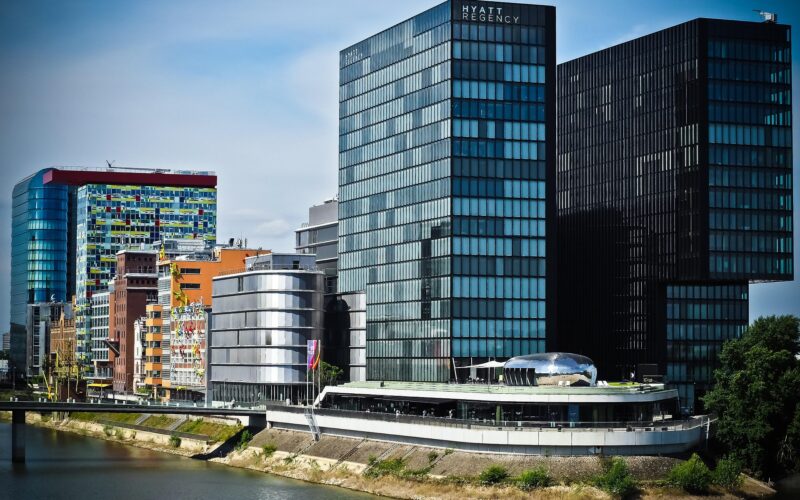
Urban regeneration is a comprehensive approach to addressing the physical, social, and economic decline that often affects older parts of cities. As urban populations continue to grow, the pressure on existing infrastructure increases, leaving many industrial or historical districts neglected. Rather than expanding outwards and encroaching on natural landscapes through urban sprawl, city planners are increasingly looking inwards. By breathing new life into these forgotten spaces, municipalities can optimise land use, restore civic pride, and create vibrant hubs that serve the modern needs of their residents. This process involves much more than simply repairing old buildings; it is about completely reimagining how a space functions within the wider context of the urban environment.
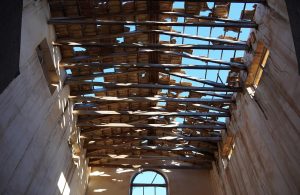
The transformation of derelict spaces into thriving neighbourhoods requires careful planning and collaboration between local authorities, private developers, and the community. Successful urban regeneration projects carefully balance the preservation of historical character with the integration of contemporary amenities. When a disused factory is converted into a cultural centre or a series of abandoned warehouses is transformed into affordable housing, the architectural heritage is maintained while the functionality is radically updated. This delicate balance ensures that cities do not lose their unique identity and history, even as they adapt to accommodate new generations, modern industries, and shifting cultural dynamics.
Economic and social benefits for local communities
One of the most significant drivers of urban regeneration is the potential for profound economic revitalisation. Neglected areas often suffer from high unemployment, low property values, and a lack of investment. By initiating regeneration projects, local governments can stimulate economic activity, attract new businesses, and create a multitude of jobs in construction, retail, and services. As new enterprises move into the newly refurbished spaces, they bring with them increased footfall and secondary economic benefits for surrounding businesses. This influx of capital and activity can turn a once-failing district into a lucrative contributor to the broader municipal economy, ultimately increasing tax revenues that can be reinvested into further public services.
Beyond the financial advantages, the social impact on local communities is equally transformative. Urban regeneration often includes the development of vital public spaces, such as parks, community centres, and accessible pedestrian zones. These areas foster social cohesion by providing residents with safe, welcoming places to interact and engage in communal activities. Furthermore, regeneration can address critical issues such as housing shortages by incorporating mixed-use developments that blend residential units with commercial and recreational facilities. When executed thoughtfully, these projects prioritise inclusivity, ensuring that long-term residents are not displaced by gentrification but instead benefit directly from the improved living conditions and new opportunities in their neighbourhood.
Environmental sustainability through adaptive reuse
In an era defined by the urgent need to address climate change, urban regeneration offers a highly sustainable alternative to traditional development. Constructing new buildings from the ground up requires vast amounts of raw materials and energy, contributing significantly to a city's carbon footprint. Adaptive reuse, a core component of regeneration, mitigates this environmental impact by repurposing existing structures. By keeping the embodied carbon of historical buildings locked within their walls, developers dramatically reduce the greenhouse gas emissions associated with demolition and new construction. Additionally, regeneration projects often integrate modern green technologies, such as energy-efficient insulation, solar panels, and rainwater harvesting systems, bringing older structures up to contemporary environmental standards.
Looking towards the future of our cities
The future of urban development lies in the intelligent and sustainable regeneration of the spaces we already inhabit. As global populations become increasingly urbanised, the demand for functional, liveable, and resilient cities will only intensify. Urban regeneration provides a viable pathway forward, proving that progress does not require the erasure of the past. By continuing to invest in the revitalisation of neglected districts, cities can foster inclusive economic growth, enhance social well-being, and lead the way in environmental stewardship. Ultimately, breathing new life into old spaces ensures that our urban environments remain dynamic, adaptable, and capable of supporting the diverse needs of future generations.